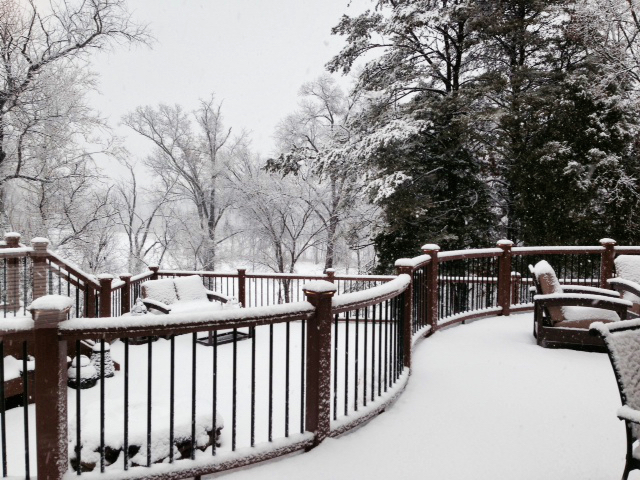
How to Prepare Your Deck and Outdoor Living Space for Winter in Wisconsin
Wisconsin homeowners know that winter can be tough on outdoor spaces. Snow, ice, moisture, freezing temperatures, and repeated freeze-thaw cycles can all take a toll on a deck and the features surrounding it. Taking some time to prepare your outdoor living space before winter arrives can help protect your investment and make it easier to enjoy again when spring returns.
Whether you have a traditional wood deck, a low-maintenance composite deck, or a larger outdoor living area with a pergola, built-in seating, or other custom features, fall is a great time to inspect everything and address potential problems.
Here are some important steps Wisconsin homeowners should consider before the first major snowfall.
1. Give Your Deck a Thorough Cleaning
Leaves, dirt, pollen, and other debris can accumulate on your deck throughout the year. Leaving organic material sitting on the surface through a Wisconsin winter can contribute to moisture retention and staining, particularly on wood decking.
Start by sweeping the entire deck and removing leaves and debris from between the boards. Pay special attention to areas where debris tends to collect, including corners, stairs, and around railings.
If your deck needs a deeper cleaning, use a cleaning method appropriate for the decking material. Wood and composite decking have different maintenance requirements, so avoid using products or cleaning techniques that could damage the surface.
2. Inspect the Deck for Damage
Fall is also a good time to take a close look at the condition of your deck.
Check for:
- Loose or damaged deck boards
- Protruding nails or fasteners
- Cracked or damaged railings
- Loose stair railings
- Wobbly posts
- Areas showing signs of excessive moisture
- Damaged flashing or connections
- Any movement or instability in the structure
Small problems are often easier to address before winter rather than waiting until spring.
If you’re unsure whether an issue is cosmetic or structural, having a professional deck builder evaluate it can help determine what needs attention.
3. Keep Water Moving Away From Your Deck
Moisture is one of the biggest concerns for outdoor structures in Wisconsin. Water that doesn’t drain properly can create problems during repeated cycles of freezing and thawing.
Make sure leaves and debris aren’t blocking drainage areas. If you have an elevated deck, inspect the space underneath and look for areas where water collects.
For homeowners with an outdoor living area underneath their deck, an under-deck drainage system can be particularly useful. These systems are designed to redirect rain and melting snow away from the space below, helping keep the area more usable and protected from moisture.
4. Know How Your Decking Material Handles Winter
Not every deck requires the same winter maintenance.
Composite decking is popular with Wisconsin homeowners because it generally requires less routine maintenance than traditional wood. However, that doesn’t mean it should be completely ignored during the winter months.
Always follow the manufacturer’s recommendations for snow and ice removal. Avoid using metal shovels or other tools that could scratch the decking surface, and be careful when choosing ice-melting products.
If you are considering replacing an older wood deck, fall can also be a good time to start researching low-maintenance decking options for your next outdoor living project.
5. Prepare Your Outdoor Furniture
Your deck isn’t the only thing that needs attention before winter.
If you have patio furniture, a fire table, outdoor kitchen equipment, planters, rugs, or decorative items, determine what can remain outside and what should be stored or covered.
Furniture should be cleaned before storage, and cushions should be kept somewhere dry. For items that remain outdoors, use covers designed for the specific product and make sure water isn’t able to collect underneath.
Taking care of these items now can help reduce spring cleanup and extend their usable life.
6. Protect Your Outdoor Living Features
Many Wisconsin decks are much more than a place to put a grill and a few chairs. Today’s outdoor living spaces can include pergolas, privacy walls, lighting, built-in seating, outdoor kitchens, fire features, and other custom additions.
Before winter, inspect these features and make sure everything is secure.
For example:
Pergolas and privacy structures: Check connections and look for signs of damage or deterioration.
Outdoor kitchens: Follow the manufacturer’s recommendations for winterizing appliances, plumbing, and other components.
Lighting: Inspect exposed connections and make sure fixtures are securely mounted.
Built-in seating: Remove debris and check for any areas that may need repair or refinishing.
Taking a few minutes to inspect these features can help you catch issues before winter weather makes repairs more difficult.
7. Be Careful With Snow and Ice Removal
Eventually, snow is going to cover your deck. When it does, use care when removing it.
If snow needs to be cleared, use a method recommended for your specific decking material. Avoid scraping aggressively across the surface or using tools that could cause scratches or damage.
It’s also important to remember that heavy snow adds weight to your deck. A properly designed and constructed deck is built with the appropriate structural considerations, but if you’re concerned about an existing deck’s condition, a professional evaluation can provide peace of mind.
8. Look for Signs That Your Deck May Need More Than Maintenance
Sometimes fall maintenance reveals larger problems.
If you notice significant deterioration, structural movement, damaged stairs, deteriorating wood, or other concerns, winter preparation may be the right time to consider whether repairs or replacement make more sense.
For an older deck, it may also be worth thinking about how you’d like your outdoor space to function in the future.
Would you like more entertaining space? A covered area? Better lighting? A pergola for shade? A privacy screen? Built-in seating? An outdoor kitchen?
These decisions take time, and planning ahead can make the process much easier.
9. Start Planning Your Next Outdoor Living Project
Fall doesn’t mean you have to stop thinking about outdoor living.
In fact, the cooler months can give Wisconsin homeowners an opportunity to think about what worked well with their current deck and what they’d like to change.
If you’re considering a new deck or major outdoor living upgrade for next year, start thinking about the layout, materials, features, and overall purpose of the space now.
Working with an experienced deck builder during the planning stage can help you create a design that fits your home, property, lifestyle, and budget.
Create an Outdoor Space You’ll Enjoy for Years to Come
A little preparation before winter can go a long way toward protecting your deck and outdoor living space. Cleaning the surface, checking for damage, keeping drainage areas clear, and properly preparing furniture and outdoor features can all help you start the next season on the right foot.
And if your current deck is showing its age or no longer meets the needs of your family, winter preparation may reveal that it’s time to think bigger.
Decksperts designs and builds custom decks and outdoor living spaces for homeowners in Madison and surrounding Wisconsin communities. From custom decking and pergolas to privacy features and other outdoor living upgrades, the right design can turn your backyard into a space you’ll want to use year after year.
Thinking about a new deck or outdoor living project? Contact Decksperts to start planning your next project.